

Starting a company sounds glamorous until you’re the one figuring out how to pay for it. Most people think raising millions from investors is the only way, but that’s not the whole story. Plenty of founders build real, profitable businesses without ever taking outside money — they just grind harder, spend smarter, and prove their idea works before asking anyone else to believe in it.
Of course, sometimes you do need cash. Hardware, biotech, racing against competitors — certain businesses simply can’t bootstrap their way to success. The trick is knowing which path fits your situation, and if you do raise money, doing it on terms that don’t hand your company over to someone else.
What Bootstrapping Actually Means
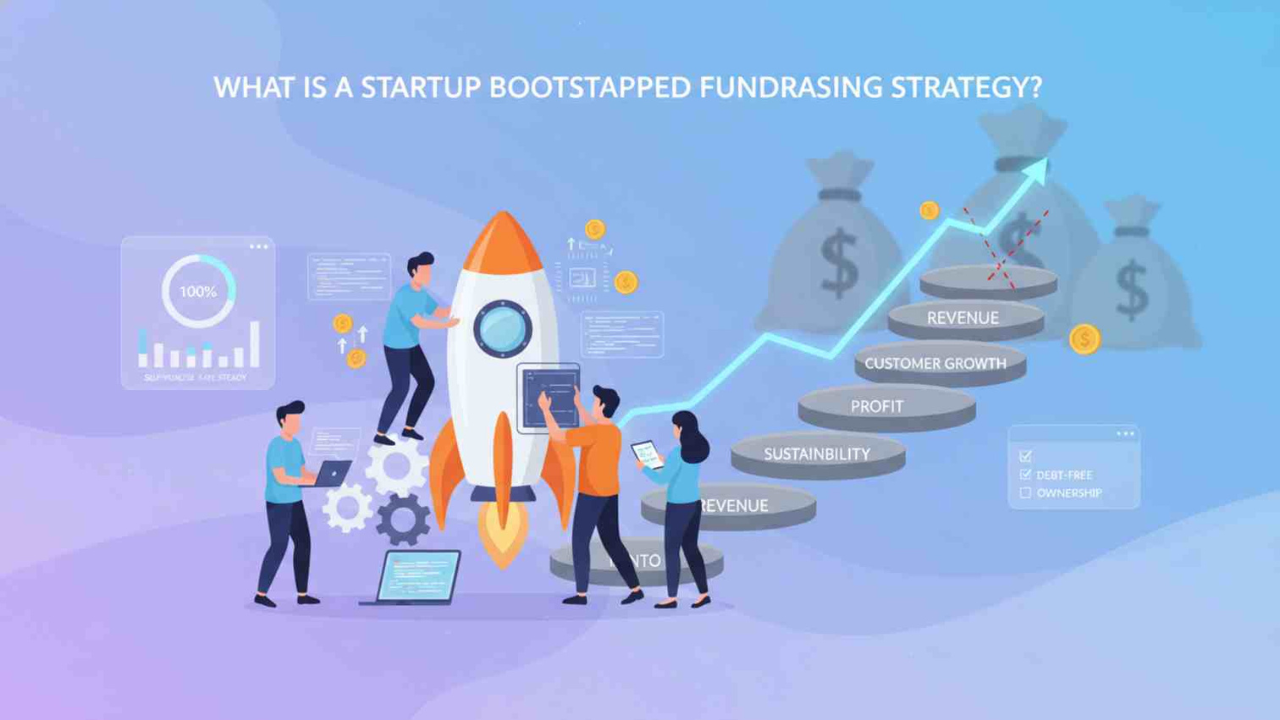
Bootstrapping is just a fancy word for building your business with your own money, your own sweat, and whatever revenue you can scrape together early on. No outside investors. No big checks from venture capitalists. Just you, your team, and the cash coming in from actual customers.
It’s hard. No question. But it forces you to build something people actually want. When it’s your own money on the line, you learn fast what works and what doesn’t.
Why Some Founders Skip the VC Route
Not every startup needs millions in funding to get off the ground. Some of the best companies started in garages, basements, and cramped apartments with nothing but a laptop and a stubborn refusal to quit.
Mailchimp did it. Basecamp did it. Plenty of others you’ve never heard of built solid, profitable businesses without ever taking a dime from investors. They grew slowly, stayed lean, and kept control of their own company. No board meetings. No pressure to grow at all costs. Just steady, sustainable progress.
The trade-off? You move more slowly. You can’t hire as fast. You might miss market opportunities because you don’t have the cash to pounce. But you also don’t answer to anyone, and you keep every dollar of profit.
When Fundraising Actually Makes Sense
Look, bootstrapping isn’t some moral high ground. Sometimes you genuinely need outside money. If you’re building hardware, developing biotech, or trying to capture a market before a competitor does, sitting around waiting for revenue to fund everything might kill you.
That’s where fundraising comes in. Angels, venture capital, even crowdfunding — each has its place.
Angel investors usually write smaller checks, often in the $25,000 to $100,000 range. They move faster than VCs and typically don’t demand as much control. Many are former founders themselves, so they get the struggle.
Venture capital is a different beast entirely. These firms manage huge pools of money and write bigger checks, often millions — but they want serious growth in return. They’re not interested in slow, steady businesses. They want companies that could become billion-dollar giants. If that’s not your path, don’t waste their time or yours.
The Hybrid Approach Most People Ignore
Here’s a strategy that doesn’t get talked about enough: bootstrap until you have proof, then raise.
Build your product. Get some customers. Show that people will actually pay for what you made. Then go to investors with numbers in hand, not just a pitch deck and a dream.
This approach gives you leverage. You’re not begging for money because you’re broke. You’re offering investors a chance to get in on something that’s already working. That changes the whole conversation. Valuations go up. Terms get better. You keep more of your company.
The Numbers You Actually Need to Know
Before you talk to any investor, get your math straight. What’s your burn rate? How much cash do you have left? How many months of runway?
Burn rate is just how much money you spend each month. Runway is how long you can survive at that burn rate before the bank account hits zero. If you’re burning $50,000 a month and have $300,000 in the bank, you’ve got six months of runway. That’s not comfortable. That’s panic territory.
Most investors want to see at least 12 to 18 months of runway after they invest. Less than that and you’re back asking for more money too soon, which weakens your position.
Read Also: Traceloans.com Business Loans: A Complete Guide for US Business Owners
How Much to Raise
This trips up a lot of founders. Raise too little and you’re back fundraising in six months, distracted from actually building. Raise too much and you give away too much of your company too early.
A good rule of thumb? Raise enough to hit your next major milestone plus some buffer. If you need 12 months to get to product-market fit, raise 18 months of runway. Things always take longer and cost more than you think. Always.
Pitching Without Sounding Like Everyone Else
Investors see hundreds of pitches. Yours needs to stick. Skip the buzzwords. Nobody cares about your “synergistic, AI-driven, disruptive platform.” They care about the problem you’re solving, who has that problem, and why you’re the person to fix it.
Tell a real story. Talk about the customer you talked to last week who begged you to build this. Show the prototype. Demo the product if you can. Let them feel the problem, not just hear about it.
And be honest about what you don’t know. Nothing kills credibility faster than a founder who claims to have all the answers. Smart investors know that early-stage companies are messy. They want to see that you can figure things out, not that you’ve already figured everything out.
The Dirty Secret About Valuation
Everyone obsesses over valuation. It’s ego. Its status. It’s also mostly meaningless in the early days.A high valuation feels great when you raise. But it sets an impossibly high bar for your next round. If you raise at a $10 million valuation and then struggle to grow, your next round might be a down round — meaning you raise at a lower valuation than before. That’s toxic. Investors hate it. Employees with stock options get demoralized. It can kill momentum.
Sometimes, a lower valuation with the right investor is smarter than a sky-high number with someone who doesn’t actually help you.
Due Diligence Goes Both Ways
Founders often forget this. You’re not just selling your company to investors. You’re choosing a partner who will be in your life for years. Maybe a decade.
Do your homework. Talk to other founders they’ve backed. Ask the hard questions. How do they act when things go wrong? Do they support you or push you out? Do they add real value beyond the check, or do they just show up for board meetings and complain?
A bad investor is worse than no investor. The wrong partner can destroy your company from the inside. Choose carefully.
Revenue Is the Best Funding
Here’s the truth nobody wants to hear because it’s boring: the best way to fund your startup is to make money.
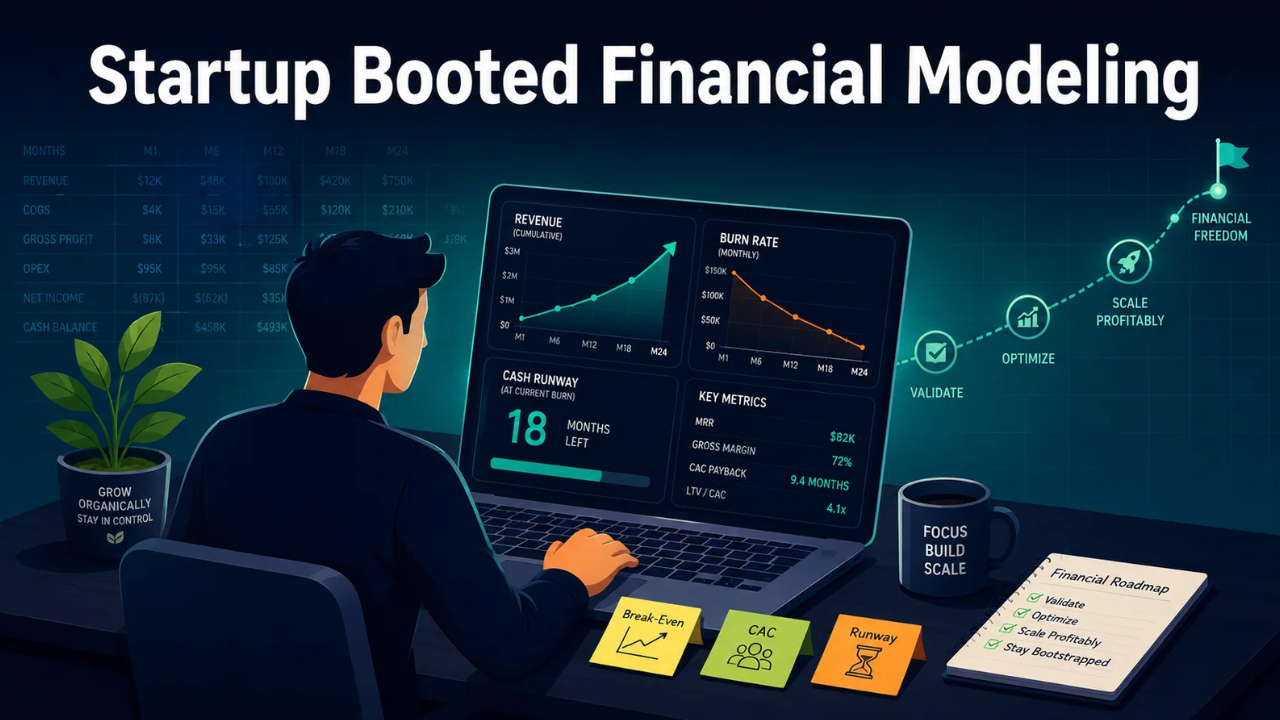
Charge customers from day one if you can. Even a small amount of revenue changes everything. It proves your idea has value. It gives you options. It means you can walk away from bad investor terms because you don’t desperately need their cash.
Bootstrapped founders learn this instinctively. Every dollar of revenue is a dollar of freedom. Funded founders sometimes forget it, burning cash on growth while ignoring the fundamentals of building a real business.
Final Word
There’s no right answer for every startup. Some companies need to raise millions to even exist. Others grow better quietly, profitably, without the noise and pressure of the funding treadmill.
Know your business. Know your market. Know yourself. If you’re the kind of founder who thrives under pressure and wants to build something massive fast, fundraising might be your path. If you value control, sustainability, and sleeping well at night, bootstrapping could be the smarter move.
Either way, build something that matters. Solve a real problem for real people. Everything else, the funding, the valuation, the press, is just noise if you don’t have that.
Read More: Cloudelder com: A Complete Guide to Its Services and Value
